The 2026 Koi Buying Guide for Canadian Pond Owners
Buying your first serious koi is unlike buying any other pet fish. A Japanese Nishikigoi is a living investment that can live 40+ years, grow to 30 inches, and appreciate in value if bred from the right bloodline. This guide walks Toronto, Markham, and Canada-wide pond owners through everything we wish every new customer knew before choosing their first koi — how to judge conformation, colour, and pattern, which size class matches your pond, what fair prices look like in 2026, and what a reputable dealer should always tell you up front.
Step 1 — Understand what you're actually buying
A Japanese koi is a specific breed line from Niigata, Hiroshima, or a handful of other traditional koi-producing regions in Japan. It is not the same fish as a domestic North American koi, even though both look similar as babies. Japanese koi carry decades of selective breeding for body shape (conformation), skin quality, and pattern precision. That is what you are paying for — not exotic colour alone.
The three pillars of koi quality every buyer should learn are body, skin, and pattern, roughly in that order. A koi with a powerful, symmetrical body and porcelain skin will always outclass a flashier koi with weak conformation as it ages. Ask any Japanese breeder or judge and they will tell you the same thing.
Step 2 — Match the koi to your pond
The single biggest mistake new buyers make is buying koi too large for their pond, or buying more koi than their filtration can support. As a working rule of thumb, allow a minimum of 250 gallons per adult koi, with strong biological filtration and consistent aeration. In an Ontario climate, plan for at least 4 feet of pond depth so fish can overwinter safely below the ice line.
Size classes to know: Tosai (1 year, typically 4–8 inches), Nisai (2 years, 10–14 inches), Sansai (3 years, 14–18 inches), Yonsai (4 years, 18–22 inches), and Jumbo (5+ years, 22–30+ inches). Younger fish are less expensive and let you enjoy watching them develop, but final quality is harder to predict. Older fish are proven — you see exactly what you get, but at a higher price.
Step 3 — Know the varieties before you shop
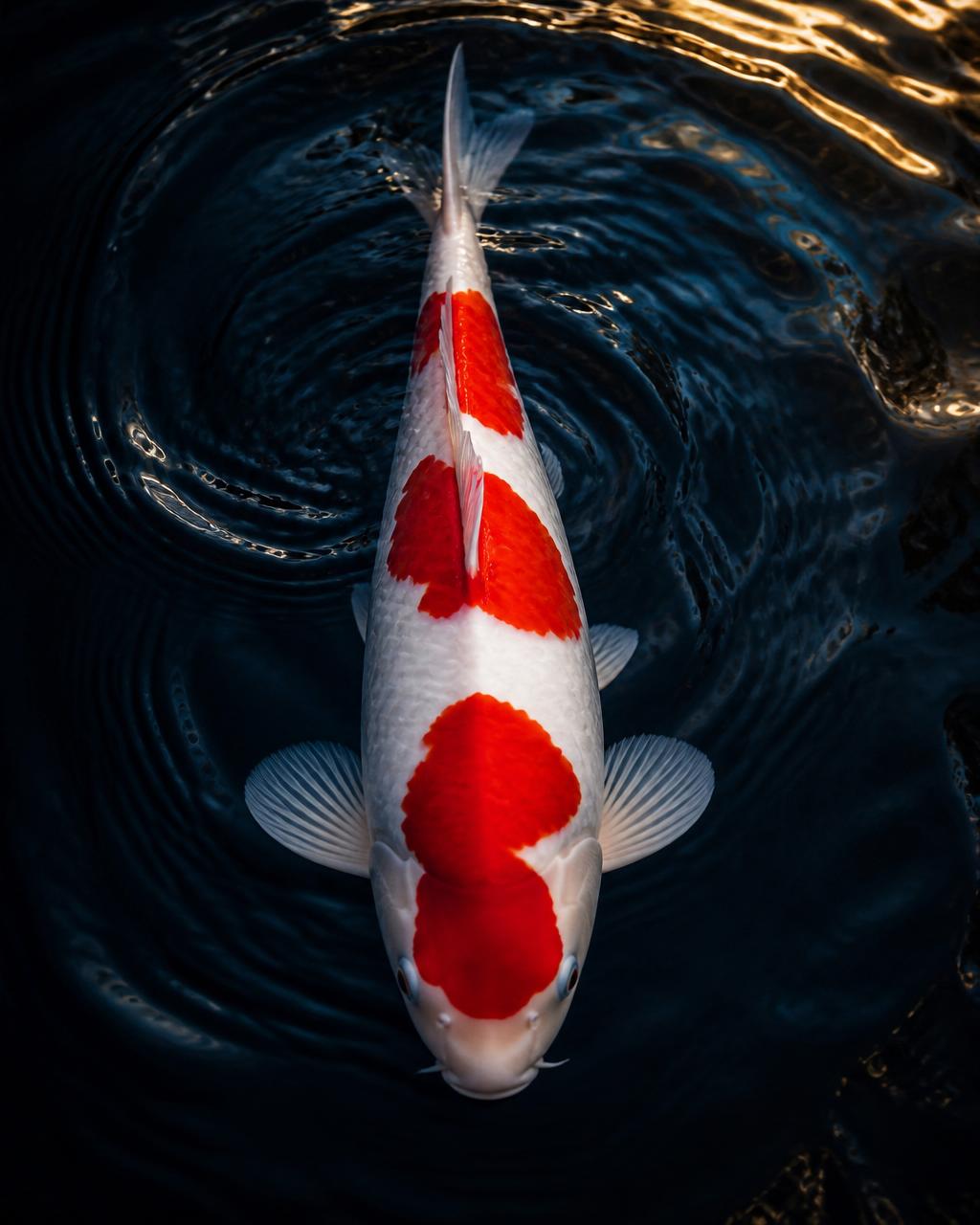
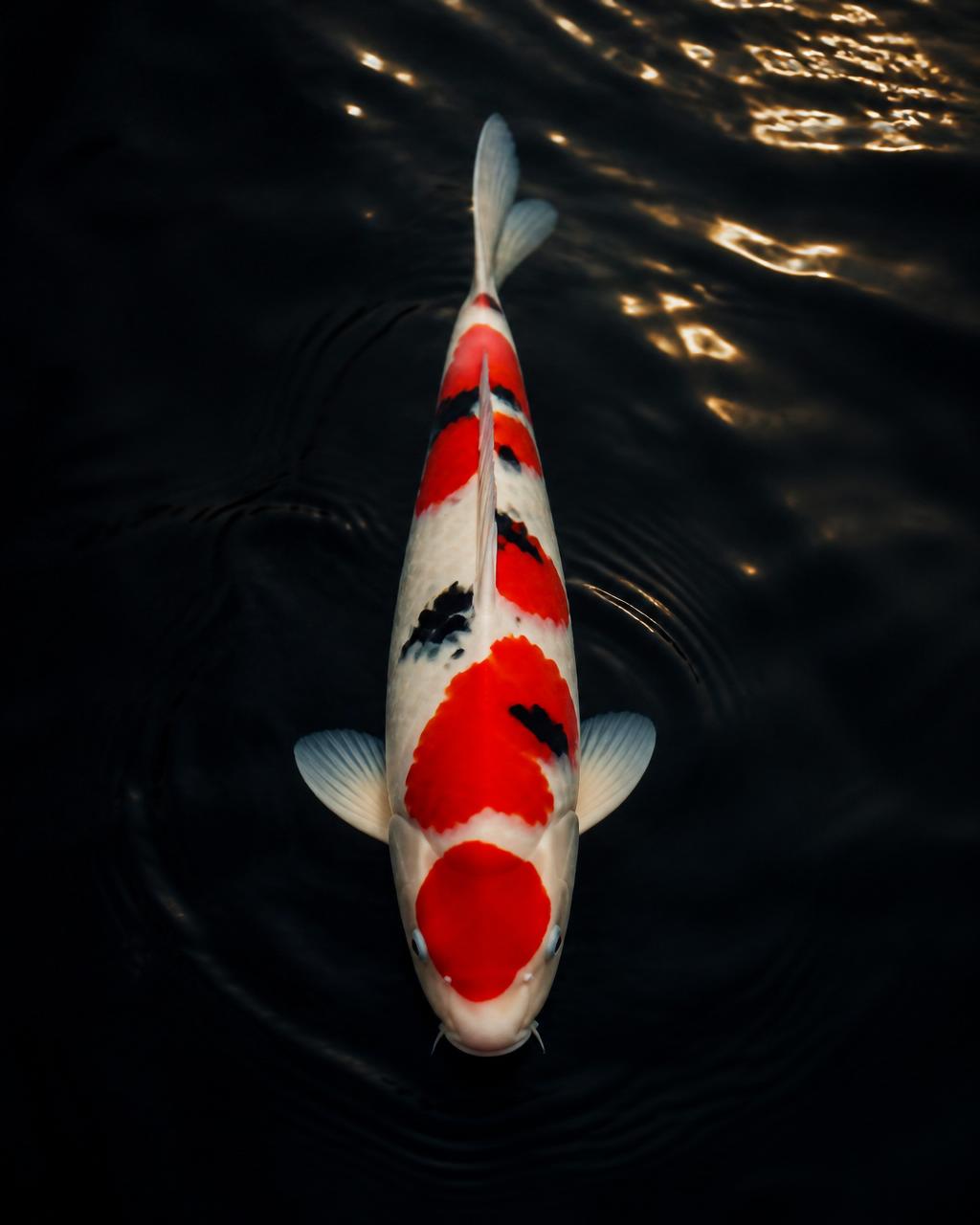
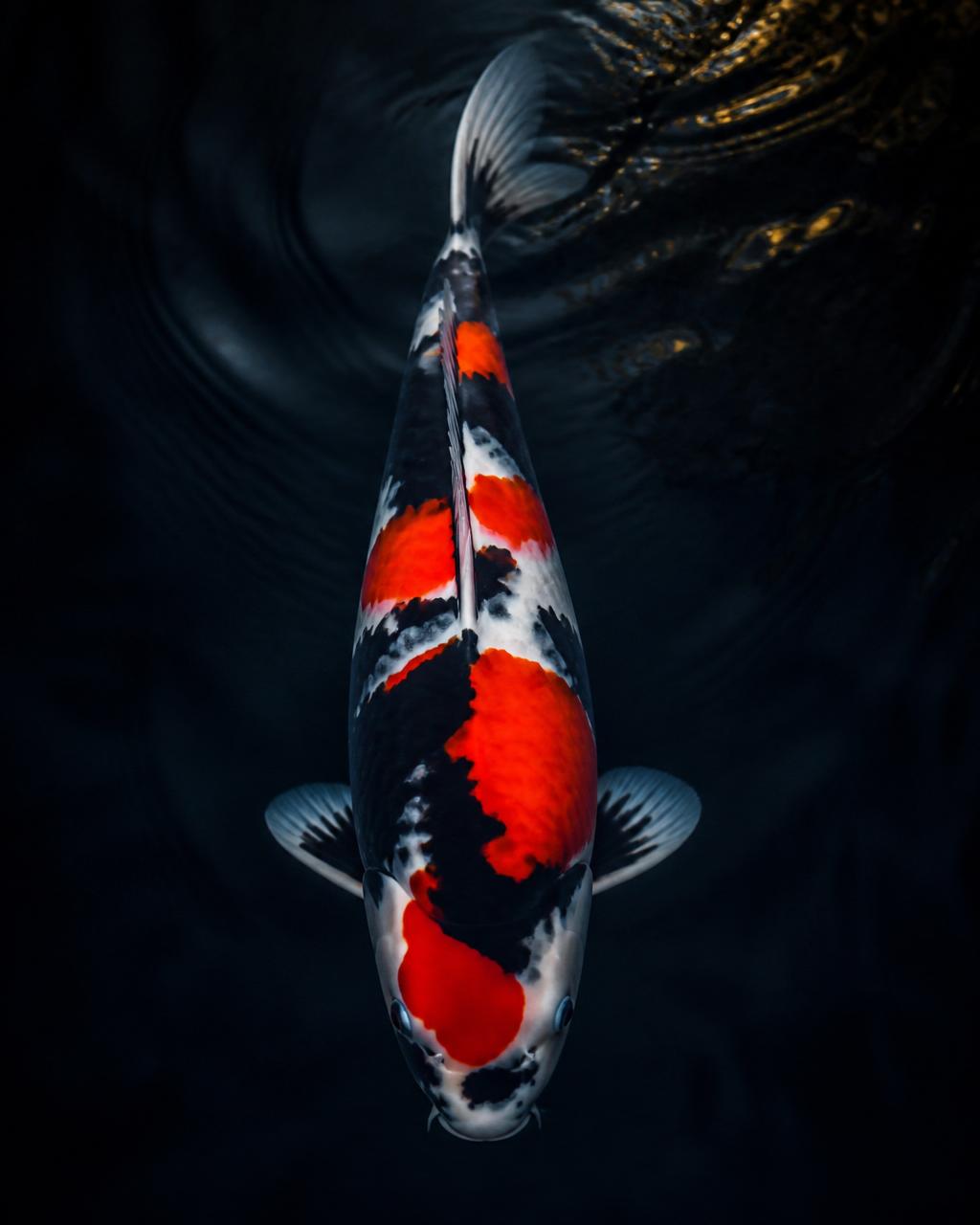
The Gosanke — Kohaku, Taisho Sanke, and Showa Sanshoku — are the traditional pillars of koi appreciation and the varieties most likely to hold or increase in value. If this is your first serious koi, we usually recommend starting with a strong Kohaku or Sanke: their patterns are easier to judge, and a good example will teach your eye how a proper Japanese koi looks and moves.
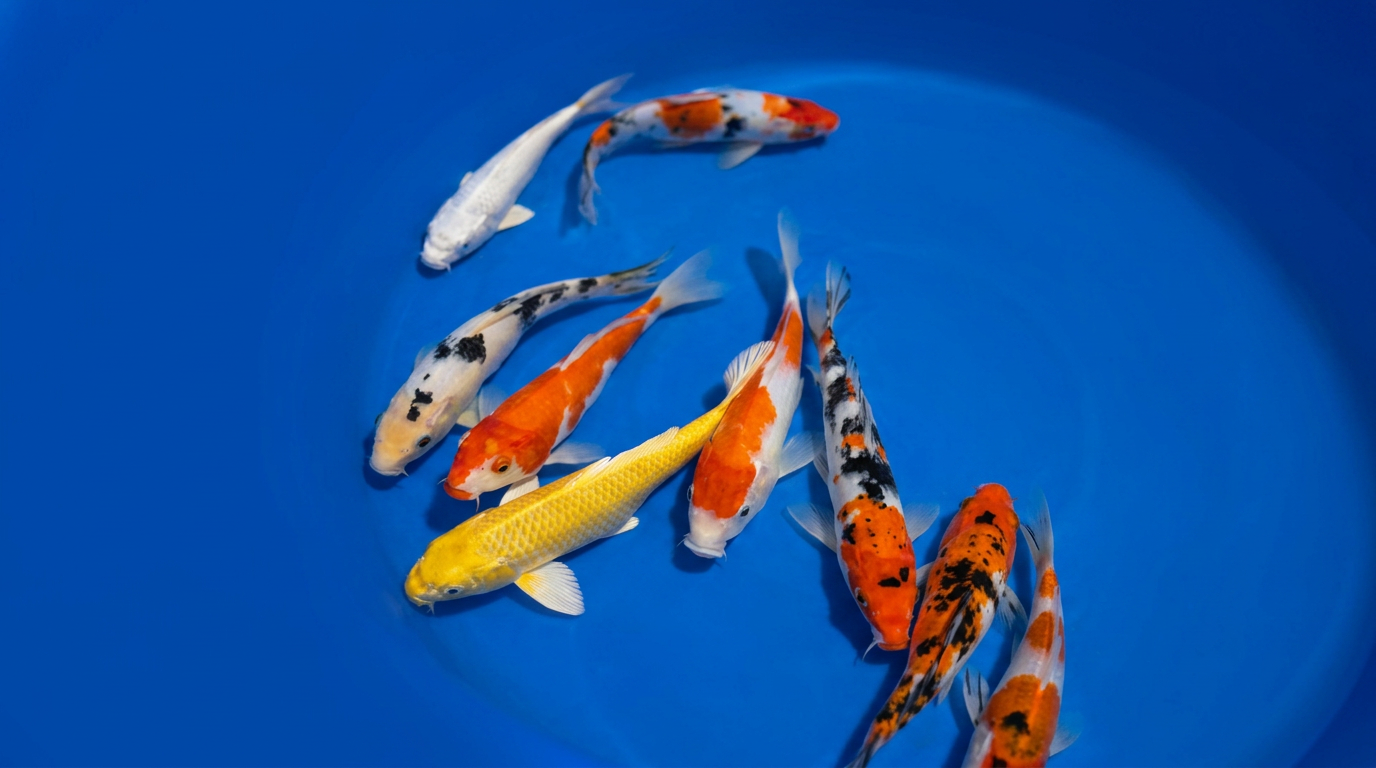
Beyond the Gosanke, popular varieties include Utsuri, Goshiki, Tancho, Asagi, Shusui, Kujaku, and metallic Ogon. Each has its own judging criteria — a great Kujaku is judged differently from a great Kohaku. Read the individual variety pages before deciding.
Step 4 — What fair 2026 prices look like
Retail prices for Japanese-imported koi in Canada in 2026 vary widely, but the honest ranges are: Tosai from CA$150–600 for pond-quality fish, CA$600–2,500 for higher-grade Tosai from known breeders; Nisai from CA$800–4,000; Sansai and older from CA$2,500 into five figures for show-grade koi. Anything advertised as 'Japanese imported' at under CA$100 is almost never actually Japanese.
Beware of two extremes: bargain fish (usually North-American or Israeli-farmed koi labelled 'Japanese-style') and inflated pricing on unremarkable fish sold on scarcity alone. A reputable dealer will happily explain the breeder, the year class, and why a specific koi is priced where it is.
Step 5 — Questions to ask any dealer
Every reputable Canadian koi dealer should be able to answer: Which Japanese breeder(s) does the fish come from? What year was it born? Has it been quarantined and health-checked? What is the arrive-alive policy for shipping? Can you provide clear video of the koi swimming, both dorsal and side views?
At Maple Crown Koi we import directly from named Niigata breeders, quarantine every fish on arrival, and film every koi both from above and from the side before offering it for sale. If a dealer cannot or will not do these things, keep looking.
Frequently asked questions
- How much should I spend on my first Japanese koi?
- For a first Japanese-imported koi, budget CA$300–800 for a nice Tosai or CA$1,000–2,500 for a proven Nisai. This is enough to buy an authentic Japanese koi from a respected breeder without overcommitting before you know your pond's carrying capacity.
- How many koi can I keep in my pond?
- Allow at least 250 gallons per adult koi, with strong biological filtration and aeration. A 3,000-gallon pond comfortably supports 8–12 adult koi in Ontario climates. Overstocking is the single most common cause of water-quality problems.
- Are Japanese koi worth the price over domestic koi?
- Yes, if you care about long-term body conformation, skin quality, and colour stability. Japanese Nishikigoi carry decades of selective breeding for those traits. Domestic koi can be beautiful but rarely hold their pattern and body shape into adulthood the same way.
- Can you deliver koi in the Toronto and Markham area?
- Yes — we deliver koi throughout the Greater Toronto Area including Toronto, Markham, Richmond Hill, Vaughan, Mississauga, and surrounding cities, and ship live koi across Canada with a full arrive-alive guarantee.