How Much Do Japanese Koi Fish Cost in Canada? A 2026 Price Guide
Koi fish prices in Canada range from around CA$150 for a young pond-quality Tosai to over CA$50,000 for a show-grade Jumbo from a top Niigata breeder. That's a wide range, and it confuses almost every new buyer. This guide breaks down what actually drives the price of a Japanese koi in 2026 — size, variety, breeder, year class, and grade — so you can spot fair pricing and avoid the two most common traps.
What drives the price of a Japanese koi
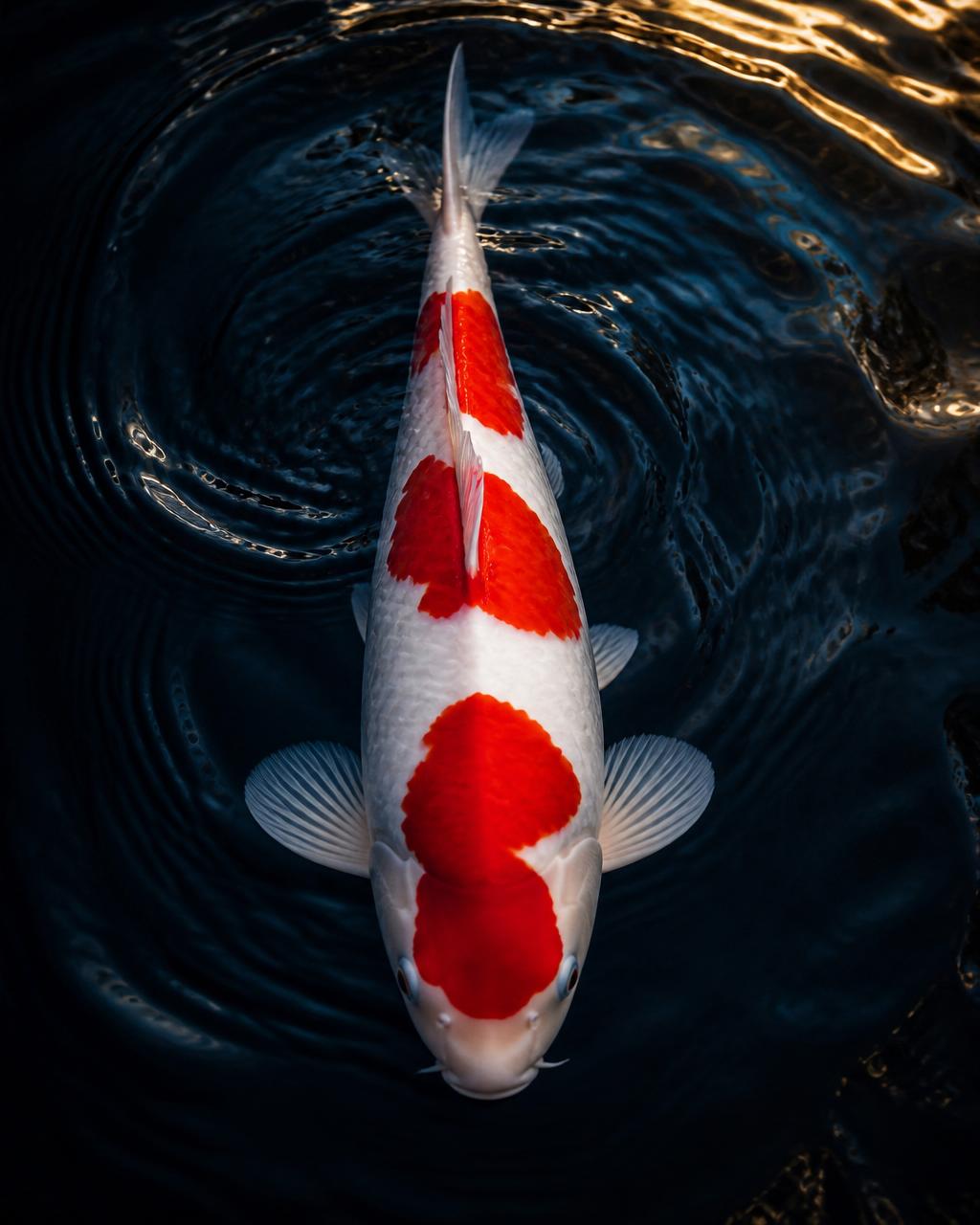
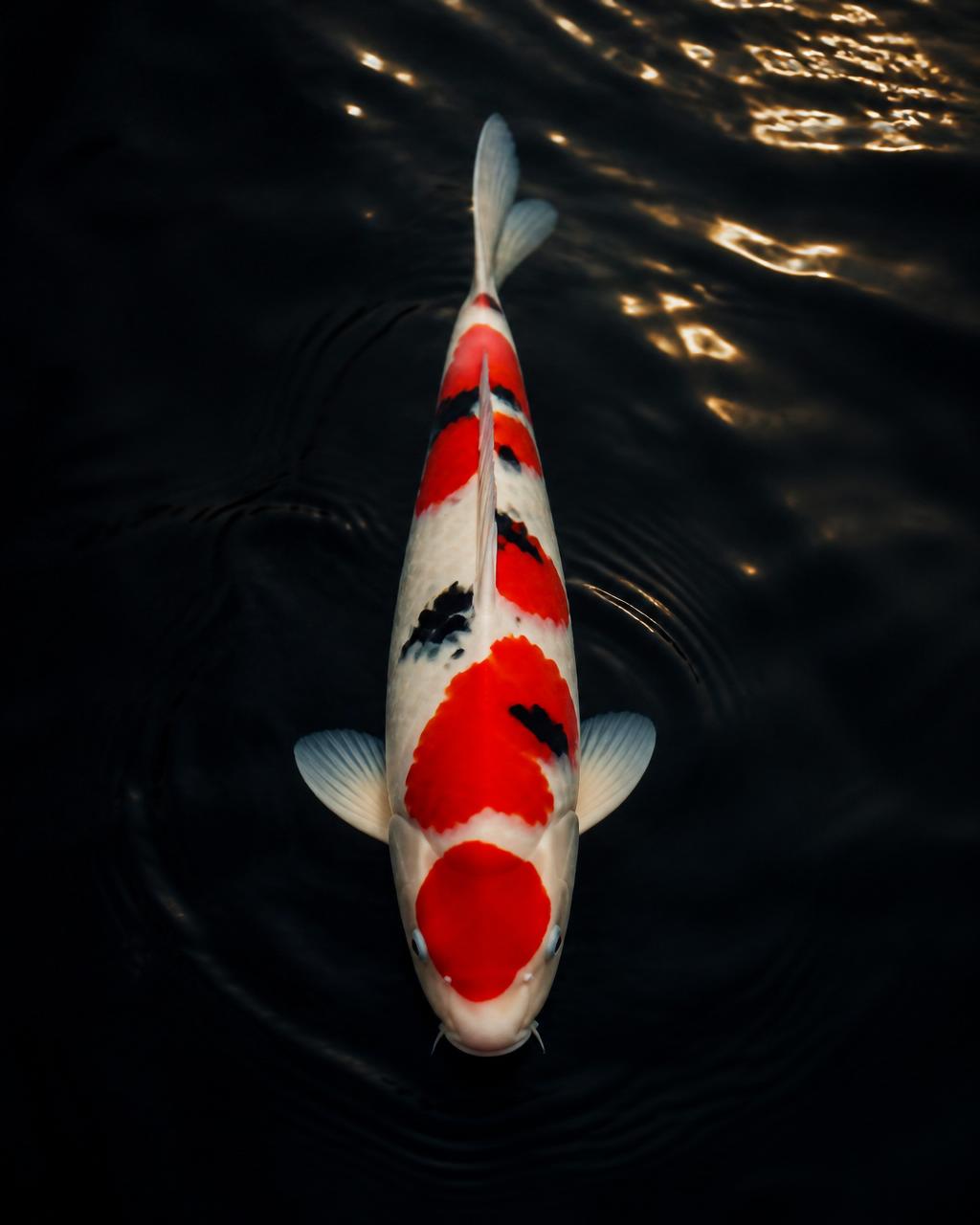
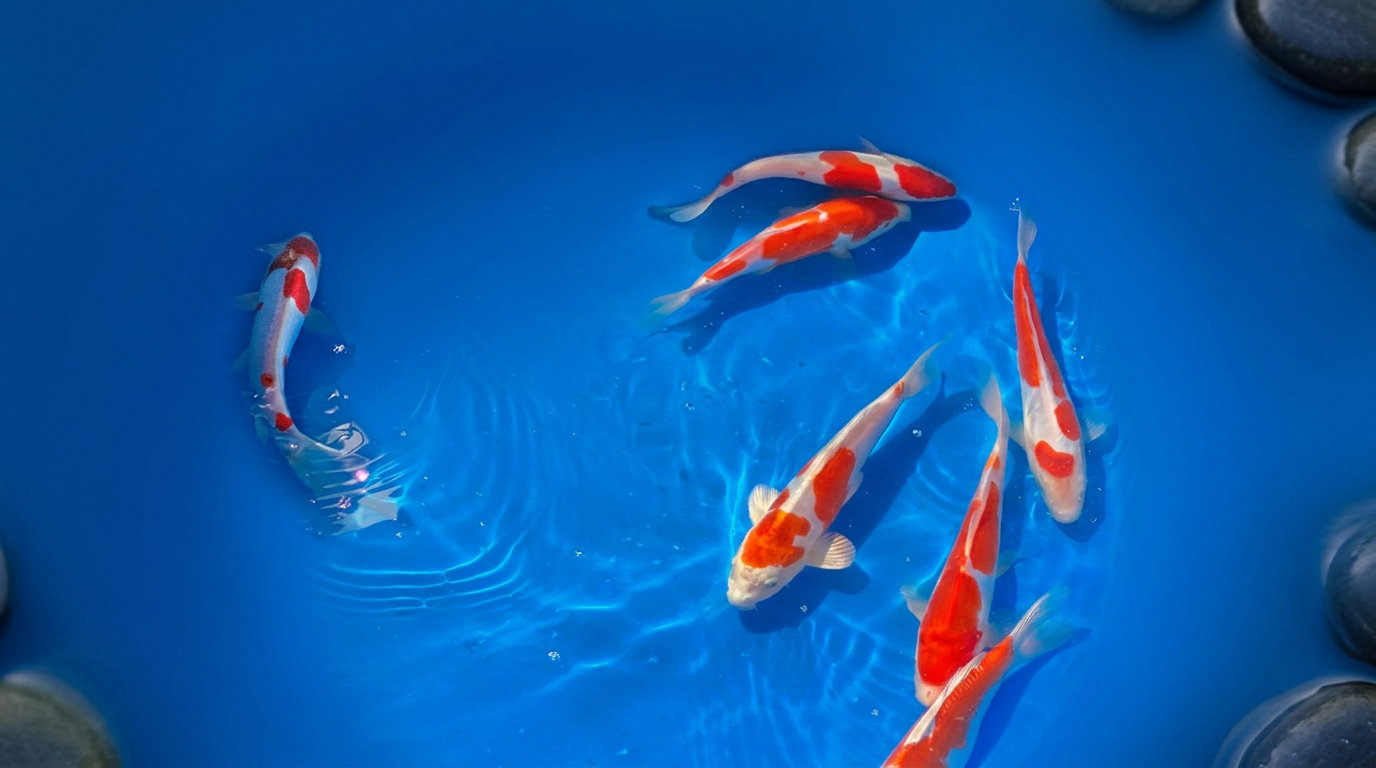
Five factors determine what a Japanese koi is worth: the breeder (a fish from Sakai Fish Farm, Dainichi, or Momotaro will always price higher than an unnamed source), the variety (Gosanke — Kohaku, Sanke, Showa — command premiums), the size and age (jumbo proven fish are exponentially more expensive than young Tosai), the quality grade within its size class (body conformation, skin, pattern), and provenance (documented import history, tategoi status, competition record).
Two koi that look almost identical to a beginner can differ 10× in price because one is a documented Sakai bloodline Tosai with tategoi potential and the other is a similar-looking domestic-farmed fish. The price is buying you future development, not just today's appearance.
2026 price ranges by size class
Tosai (1 year, ~4–8 inches): pond-quality CA$150–600; higher-grade named-breeder Tosai CA$600–2,500; tategoi-track Tosai CA$2,500–8,000+.
Nisai (2 years, ~10–14 inches): pond-quality CA$400–1,200; higher grade CA$1,200–4,000; proven Nisai from top breeders CA$4,000–15,000+.
Sansai and older (3+ years, 14+ inches): CA$2,500 for solid pond fish, into five figures for competition-grade adults, and rarely six figures for show-winning Jumbo Kohaku or Sanke.
Prices by variety
The Gosanke (Kohaku, Sanke, Showa) sit at the top of the market — these are the varieties Japanese judges have refined for a century. Expect to pay 20–40% more for the same size and grade compared to non-Gosanke.
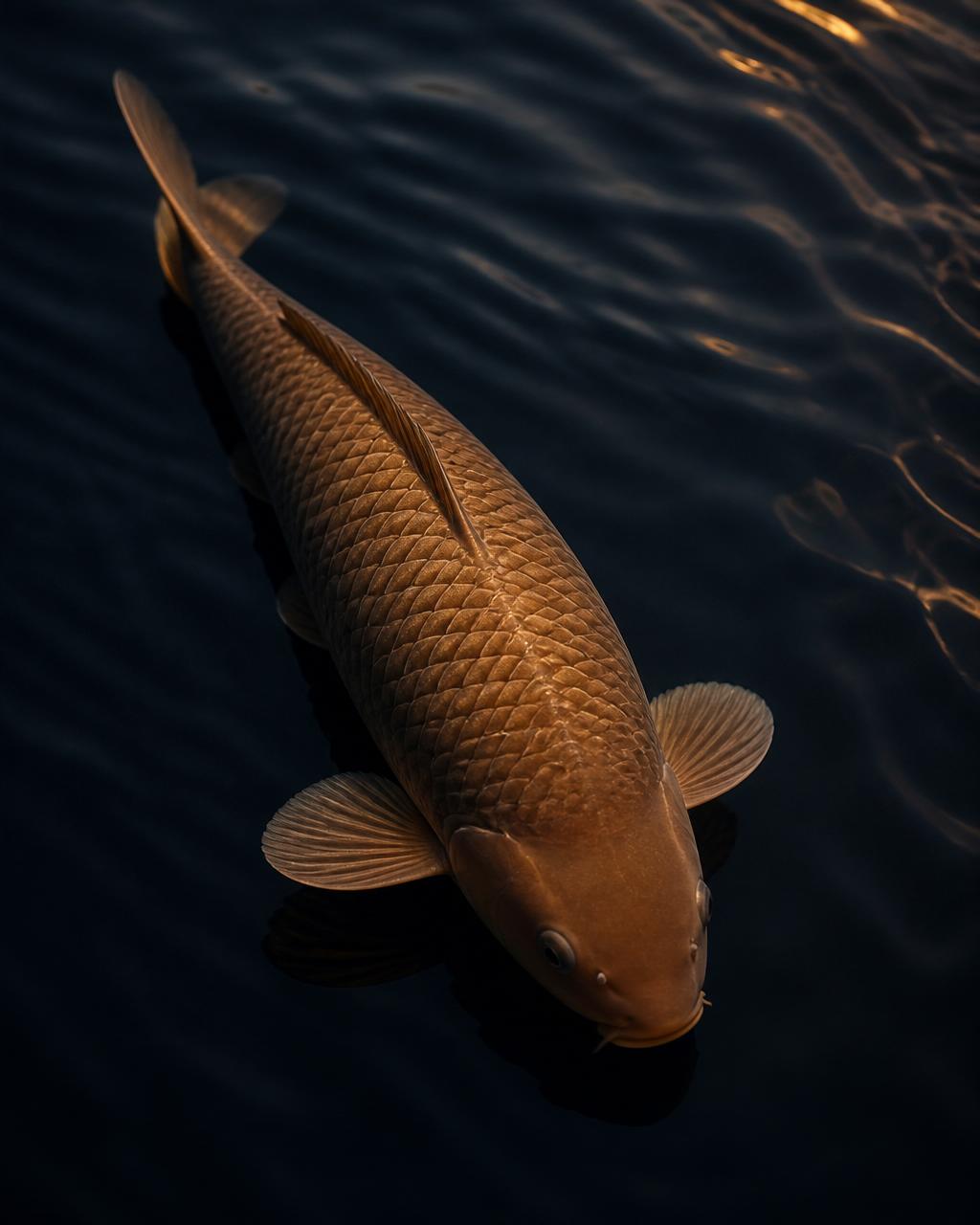
Metallic varieties (Ogon, Kujaku, Kikusui) and specialty varieties (Ochiba Shigure, Chagoi, Karashigoi) are usually more affordable at pond-quality grades, which makes them a great entry point for new buyers who want a large, striking fish without paying Gosanke prices.
Two traps to avoid
Trap 1: 'Japanese koi' at CA$50–100. These are almost always North-American or Israeli-farmed koi labelled to look premium. Real Japanese-imported koi cost more because of the breeder cost, shipping, quarantine, and the fact that they are actually flown out of Osaka or Tokyo.
Trap 2: paying premium prices without a named breeder. If a dealer cannot tell you the exact breeder, year, and pond the fish came from, you are paying premium without the provenance that justifies it.
Frequently asked questions
- How much does a Japanese koi fish cost in Canada?
- In 2026, an authentic Japanese-imported Tosai koi typically costs CA$150–600 for pond quality and CA$600–2,500 for higher grades from named Niigata breeders. Nisai and older koi start around CA$800 and can exceed CA$15,000 for competition-grade fish.
- Why are Japanese koi so expensive?
- Japanese koi carry the cost of decades of selective breeding, airfreight from Japan, on-arrival quarantine, and the fact that top breeders produce very few show-grade fish per season. You are paying for provenance, conformation, and long-term colour stability that domestic koi rarely match.
- What's the most expensive koi ever sold?
- In 2018 a jumbo Kohaku named S Legend sold at the Sakai Fish Farm auction for around 203 million yen (roughly CA$2.4 million at the time), the highest publicly recorded koi sale. Everyday collector-grade koi are, of course, a tiny fraction of that.
- Is it worth paying more for a named-breeder koi?
- For collectors and long-term pond owners, yes. Named-breeder koi hold conformation and colour better into adulthood and retain resale value. For a first pond fish, a pond-quality Tosai from any reputable Japanese breeder is a great starting point.