Kohaku vs Sanke vs Showa: The Gosanke Compared (Toronto Buyer's Guide)
Kohaku, Taisho Sanke, and Showa Sanshoku — the Gosanke — are the three pillars of Japanese koi appreciation and by far the most searched varieties among Toronto buyers looking for authentic Japanese koi fish. They all share a white-and-red base, they're often shown side-by-side at the same shows, and beginners regularly confuse them. This guide is the side-by-side comparison we walk every Toronto and GTA customer through: what defines each variety, how they're judged, what they cost in 2026, and which one is the right first Gosanke for a Toronto pond.
The 30-second version
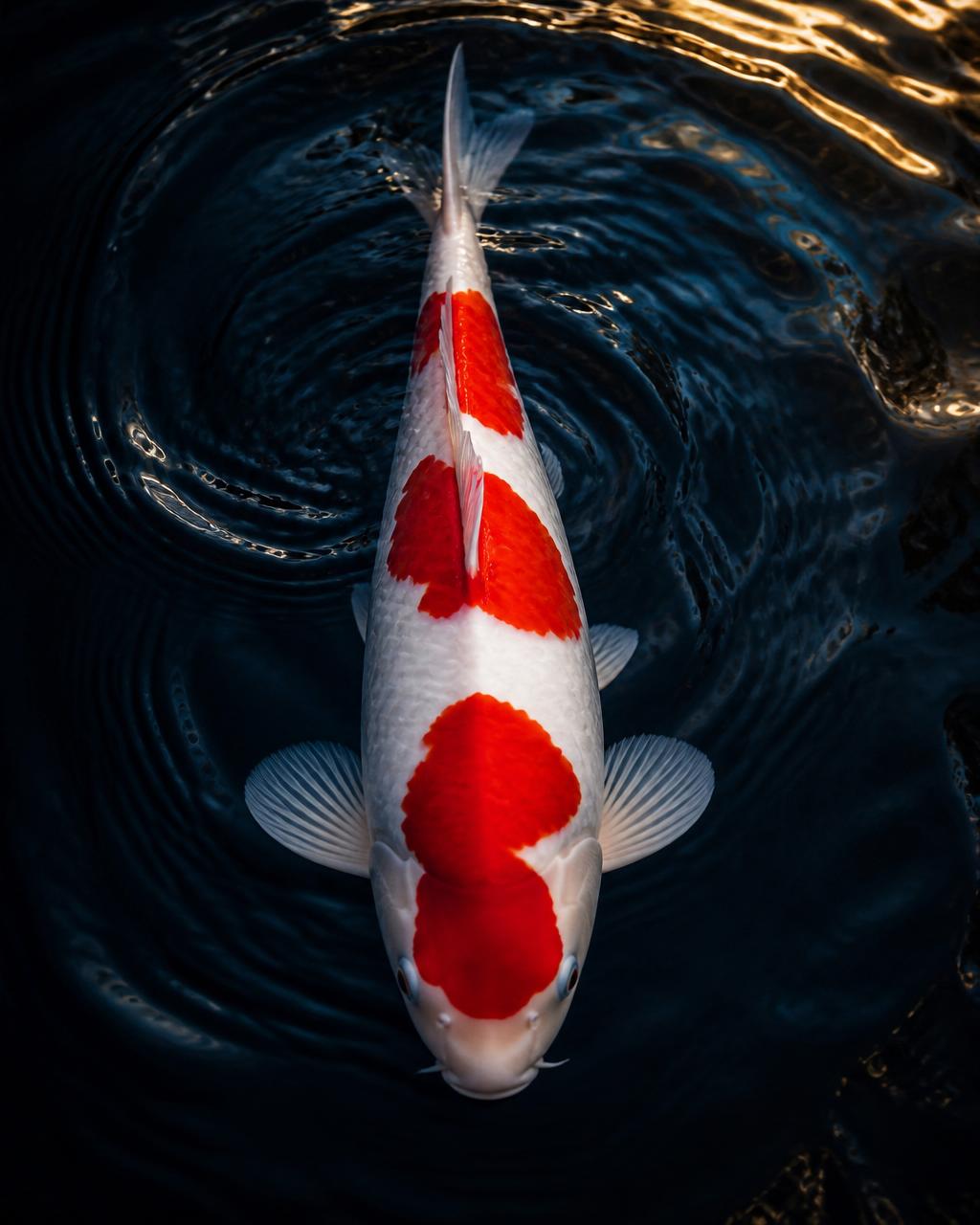
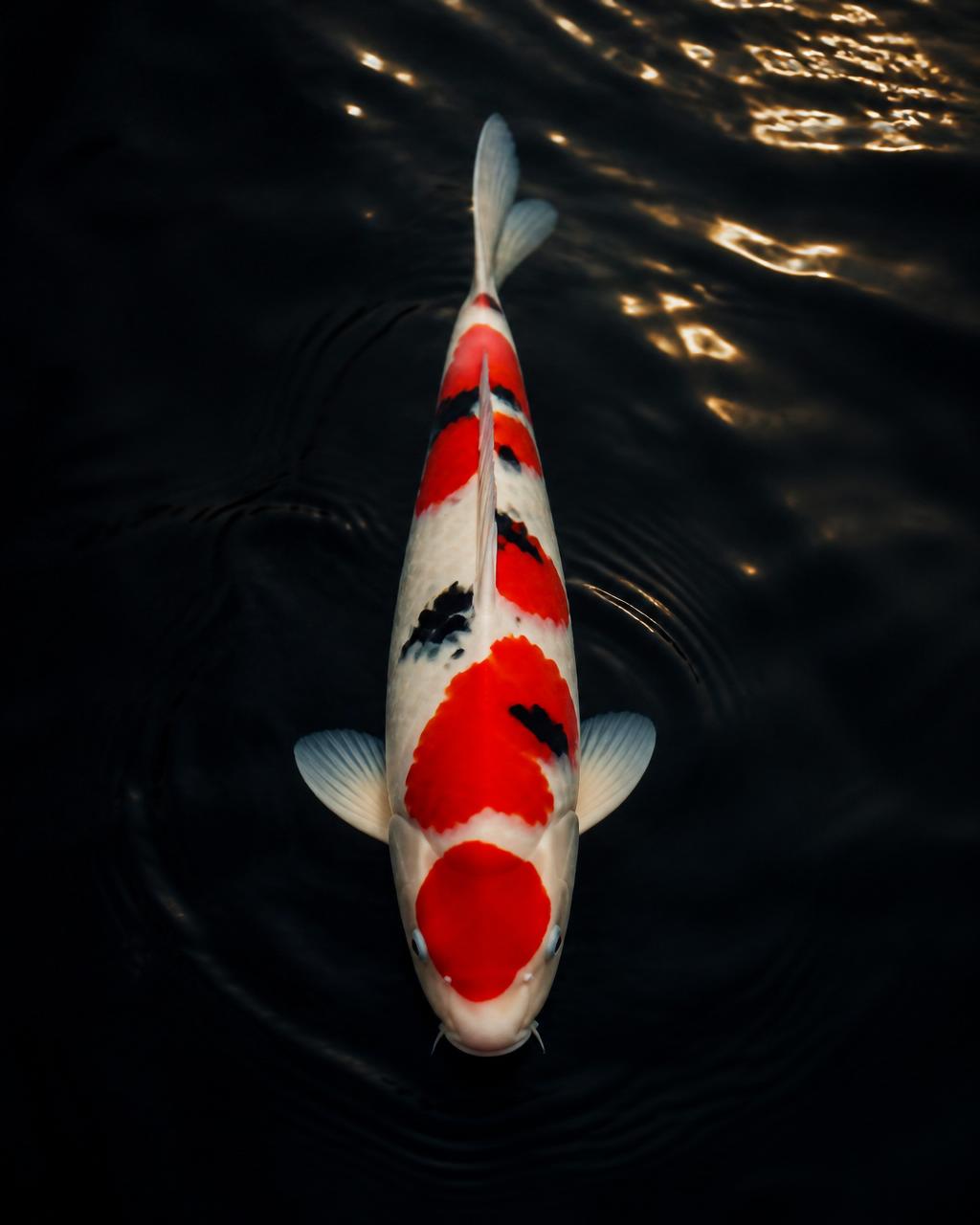
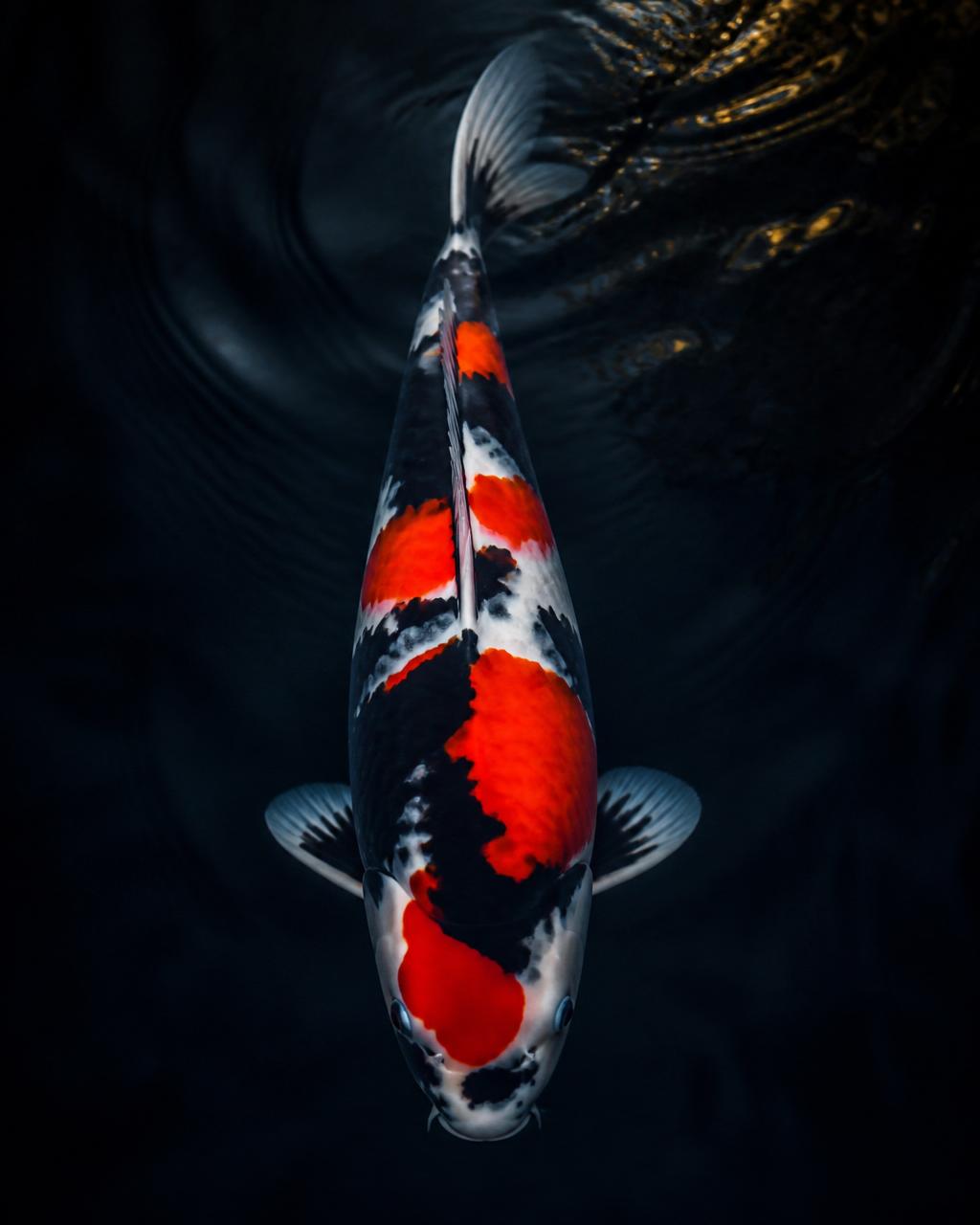
Kohaku is a two-colour koi: white body (shiroji) with red pattern (hi). Sanke adds black (sumi) — but only above the lateral line, and never on the head. Showa is the most dramatic of the three: a black-based koi wrapped in red and white, with sumi that can appear anywhere including the head and below the lateral line.
If you remember one thing: Sanke is a Kohaku with sumi added. Showa is a black koi with red and white added. That single sentence resolves 90% of the identification questions Toronto beginners ask.
Side-by-side comparison
Use the table below as a quick reference when you're browsing Japanese koi in Toronto. Each row highlights how the three Gosanke differ in practice — not just on paper.
| Attribute | Kohaku | Taisho Sanke | Showa Sanshoku |
|---|---|---|---|
| Colours | White + red | White + red + black | Black + red + white |
| Base colour | White (shiroji) | White (shiroji) | Black (sumi) |
| Sumi on head? | No sumi | No | Yes (usually) |
| Sumi below lateral line? | No sumi | No (traditional rule) | Yes (encouraged) |
| Pattern difficulty | Easiest to read | Moderate | Hardest to read |
| Sumi behaviour with age | N/A | Stable, slow to finish | Shifts most |
| Best for a Toronto beginner | Yes — start here | Great second Gosanke | Better once your eye is trained |
| Typical 2026 Tosai (CAD) | $300–1,200 | $400–1,500 | $400–1,800 |
| Typical 2026 Nisai (CAD) | $1,000–4,000 | $1,200–5,000 | $1,500–6,000 |
Kohaku — the foundation of the hobby
Kohaku (紅白) is a white koi with red pattern. The traditional judging pillars are body conformation, shiroji quality (porcelain white), and hi (deep, uniform red with clean edges — no fading, no bleed). Because there are only two colours, Kohaku patterns are the easiest to read, which is exactly why Japanese judges start beginners here.
In a Toronto pond, a great Kohaku is highly visible against dark pond liners and reads well from across a backyard. Browse current inventory at /collections/kohaku-koi.
Taisho Sanke — Kohaku with sumi
Taisho Sanke (大正三色) — usually just 'Sanke' — is a white koi with red pattern (hi) and small black accents (tsubo sumi) on top. Traditional rules keep sumi above the lateral line and off the head. The sumi is what makes Sanke harder to judge than Kohaku: it can be tsubo (fine, dot-like) or omoyo (larger blocks), and it continues to develop for the first few years of the fish's life.
A good Sanke rewards patient owners in the GTA — the fish you buy at Tosai is not the fish you'll be showing at Sansai. Browse Sanke at /collections/sanke-koi.
Showa Sanshoku — the black-based Gosanke
Showa Sanshoku (昭和三色) — 'Showa' — is a black koi wrapped in red and white. Because the base colour is sumi, Showa can carry sumi on the head and below the lateral line — both features that would disqualify a Sanke. Traditional Showa show a distinctive black head marking (menware, a lightning-bolt pattern) and heavy sumi that wraps around the body rather than sitting on top.
Showa are the most dramatic Gosanke and often the most rewarding fish in a mature Toronto pond, but they're the hardest to buy at Tosai — the pattern will shift substantially. See current Showa at /collections/showa-koi.
Which Gosanke should a Toronto buyer choose first?
If this is your first Japanese Gosanke in a Toronto or Markham pond, start with a Kohaku. Two-colour pattern is easiest to judge, quality is easiest to see at Tosai, and a good Kohaku will teach your eye how Japanese koi are supposed to look. Move to Sanke once you can read a Kohaku, then to Showa once you can read a Sanke.
For most GTA collectors we recommend building the three Gosanke gradually over the first two or three years of the pond — one Kohaku, then a Sanke of similar size, then a Showa. This gives you a proper comparison in your own water and helps you develop your eye faster than reading any guide.
Where to buy Gosanke koi in Toronto
Maple Crown Koi is a Markham-based direct-import Japanese koi dealer serving Toronto and the entire GTA. Every Kohaku, Sanke, and Showa is imported from named Niigata breeders, quarantined on arrival, and filmed from dorsal and side view before sale. Browse current Gosanke inventory at /collection or use the /koi-price-estimator to plan your budget. For a hand-picked Toronto pond match, contact us at /contact.
Frequently asked questions
- What's the difference between Kohaku, Sanke, and Showa?
- Kohaku is white with red pattern. Sanke is Kohaku with small black sumi added above the lateral line and off the head. Showa is a black-based koi with red and white added, where sumi can appear on the head and below the lateral line. Together they're called the Gosanke — the three pillars of Japanese koi appreciation.
- Which is the best Gosanke for a beginner in Toronto?
- Kohaku. Two-colour pattern is the easiest to read, which makes it the best variety for a first Toronto pond and the classic starting point Japanese judges recommend for new collectors.
- How do I tell a Sanke from a Showa at a glance?
- Look at the head and below the lateral line. Sumi on the head or wrapping below the lateral line means Showa. A clean white head with sumi only on the top of the body means Sanke.
- Which Gosanke is the most expensive?
- For equivalent quality and size, Showa typically sits slightly above Sanke, which sits slightly above Kohaku — because Showa's shifting sumi makes proven adult fish rarer. In 2026 CAD, expect Nisai ranges of roughly $1,000–4,000 for Kohaku, $1,200–5,000 for Sanke, and $1,500–6,000 for Showa. See /guides/koi-prices for full detail.
- Can I keep Kohaku, Sanke, and Showa together in one Toronto pond?
- Yes — all three Gosanke share the same water-quality and temperature needs and are commonly kept together. A properly-sized Toronto pond (4+ feet deep, 1,500+ gallons, strong biological filtration) can comfortably house a mixed Gosanke set year-round.
- Where can I buy authentic Kohaku, Sanke, and Showa in Toronto?
- Maple Crown Koi imports Gosanke directly from Niigata breeders and serves Toronto, Markham, and the entire GTA. Every koi is quarantined on arrival at our Markham facility and filmed from above and side view before sale. Browse current inventory at /collection.