Koi Fish Varieties: The Complete Guide to All 16 Types of Japanese Koi
There are more than 100 named varieties of Nishikigoi, but 16 anchor the modern hobby. This guide walks through every variety we import from Niigata — how each one is patterned, what a great example looks like, and which varieties suit which pond. Use it to sharpen your eye before your first serious koi purchase or to plan the next fish for your collection.
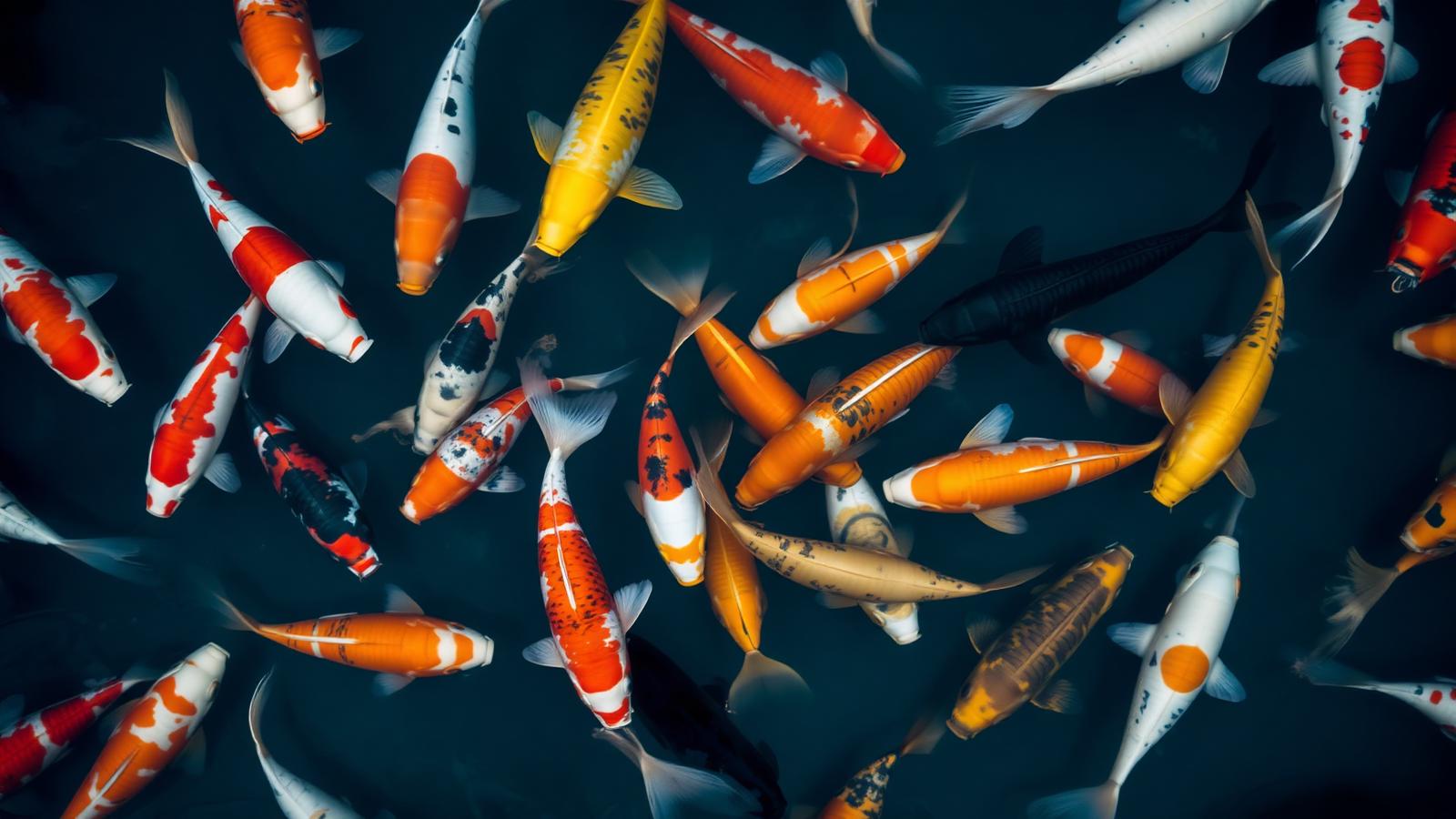
The Gosanke — the three pillars
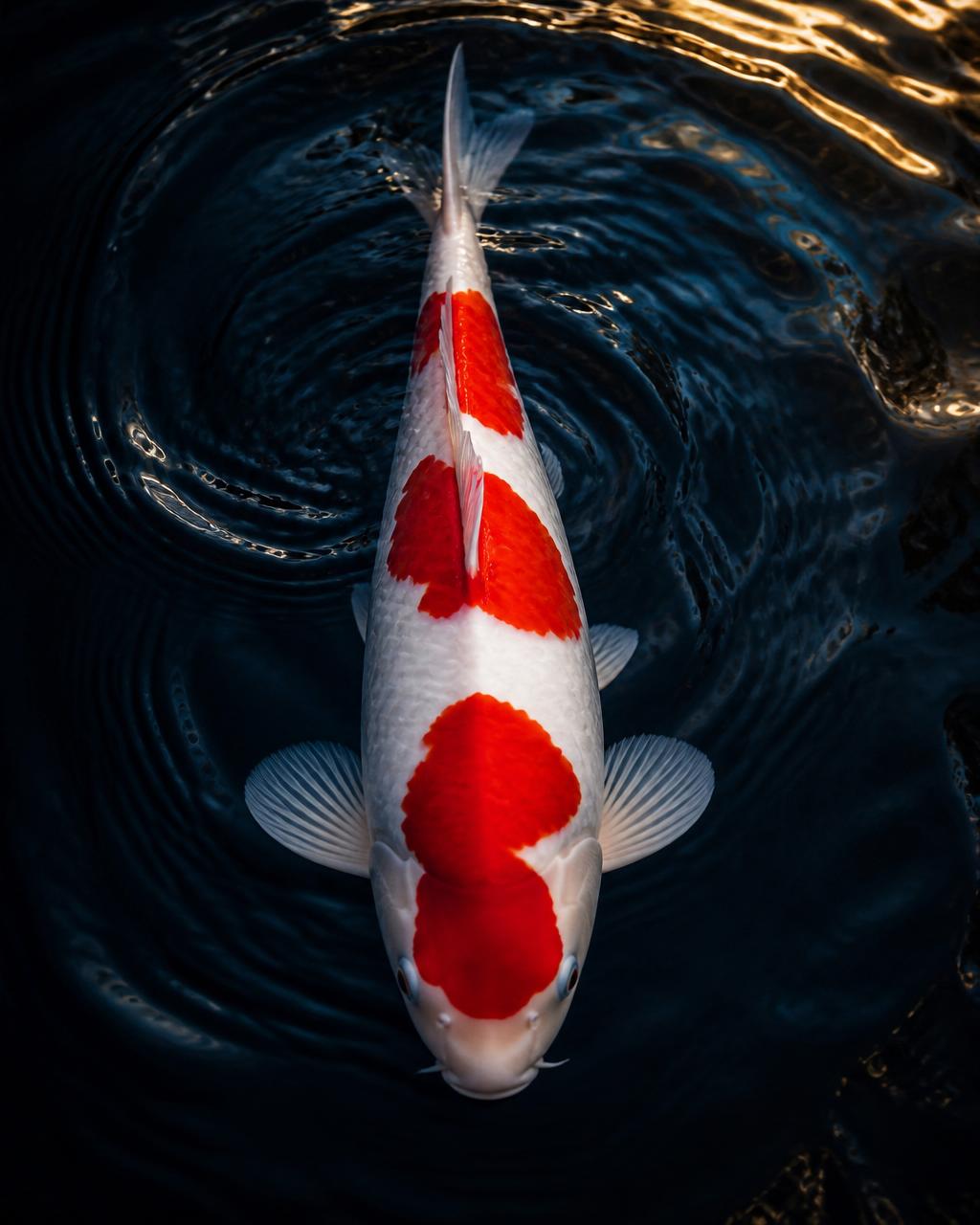
Kohaku (white body, red hi markings) is the oldest and most collected variety. Judges look for snow-bright shiroji, deep and evenly-edged hi, and a balanced step pattern along the back. Kohaku is where every serious koi hobbyist starts because it teaches your eye how a proper Japanese koi looks.
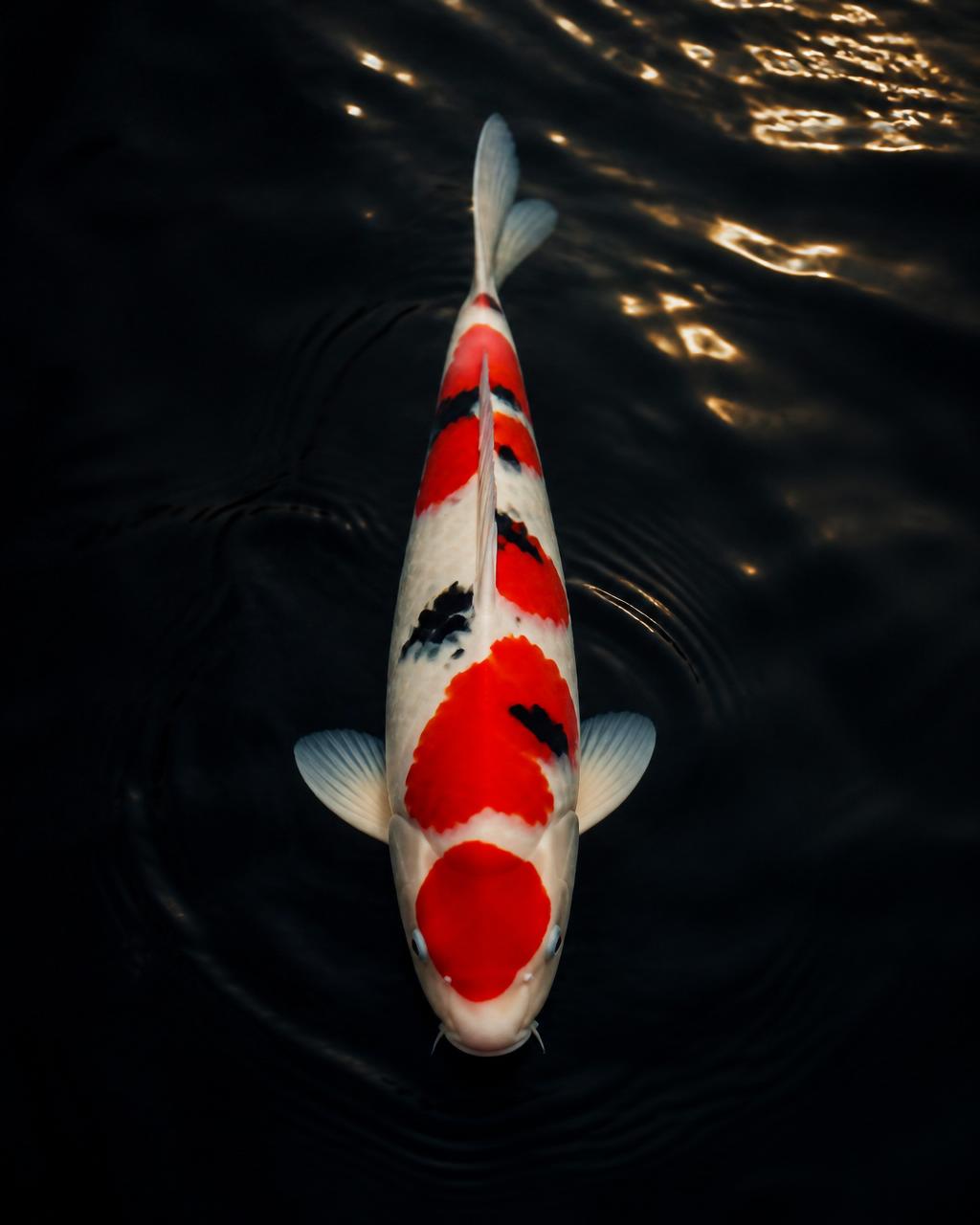
Taisho Sanke (Sanke for short) adds small, cleanly-placed black (sumi) markings to a Kohaku base. Sumi should never appear on the head. A great Sanke has stable, well-anchored sumi that stays consistent as the fish matures.
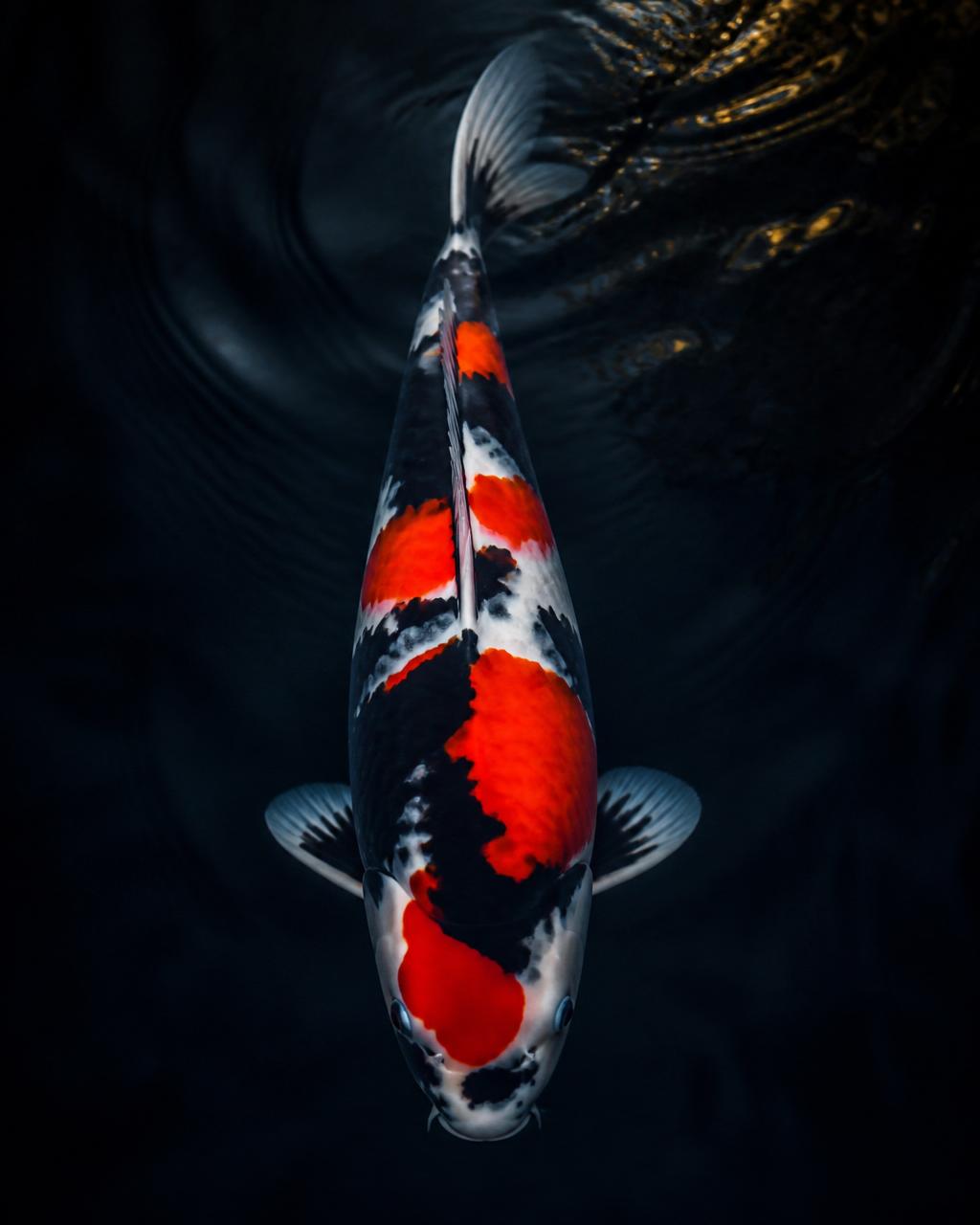
Showa Sanshoku is a black-based koi with red (hi) and white (shiroji) overlaid across the body. The sumi in Showa wraps around the body and typically appears on the head (menware) — that head sumi is the fastest way to distinguish Showa from Sanke at a glance.
Utsurimono and Bekko — bold two-tone koi
Utsurimono (Shiro Utsuri, Hi Utsuri, Ki Utsuri) is a black-based koi with a single overlay colour — white, red, or yellow. Shiro Utsuri is the most popular; a great one has jet-black lacquer sumi wrapping the body with clean high-contrast shiroji.
Shiro Bekko is essentially a Sanke without the hi — a white body with black sumi markings only. Understated, elegant, and often overlooked by beginners.
Metallic and mixed varieties
Yamabuki Ogon is a solid metallic yellow-gold koi with no pattern. Its beauty comes entirely from body shape and skin quality — no pattern to hide behind, which is why great Ogon are surprisingly hard to breed.
Kujaku (peacock) combines a Matsuba pattern (pinecone-like scale reticulation) with a metallic base and hi overlay. A show-quality Kujaku glitters as it moves.
Goshiki (five-colour) layers Kohaku hi over an Asagi-style netted base, producing a fish that reads differently in every season. Modern Goshiki have brightened significantly — the best examples show clean hi with a dark netted background.
Asagi, Shusui and specialty varieties
Asagi is one of the oldest koi types — a blue-scaled back with clean red on the belly, cheeks, and fin bases. Body shape and skin quality carry the fish since the pattern is genetically stable.
Shusui is the doitsu (scaleless) cousin of Asagi — same colour arrangement, but with a single row of scales along the dorsal line only.
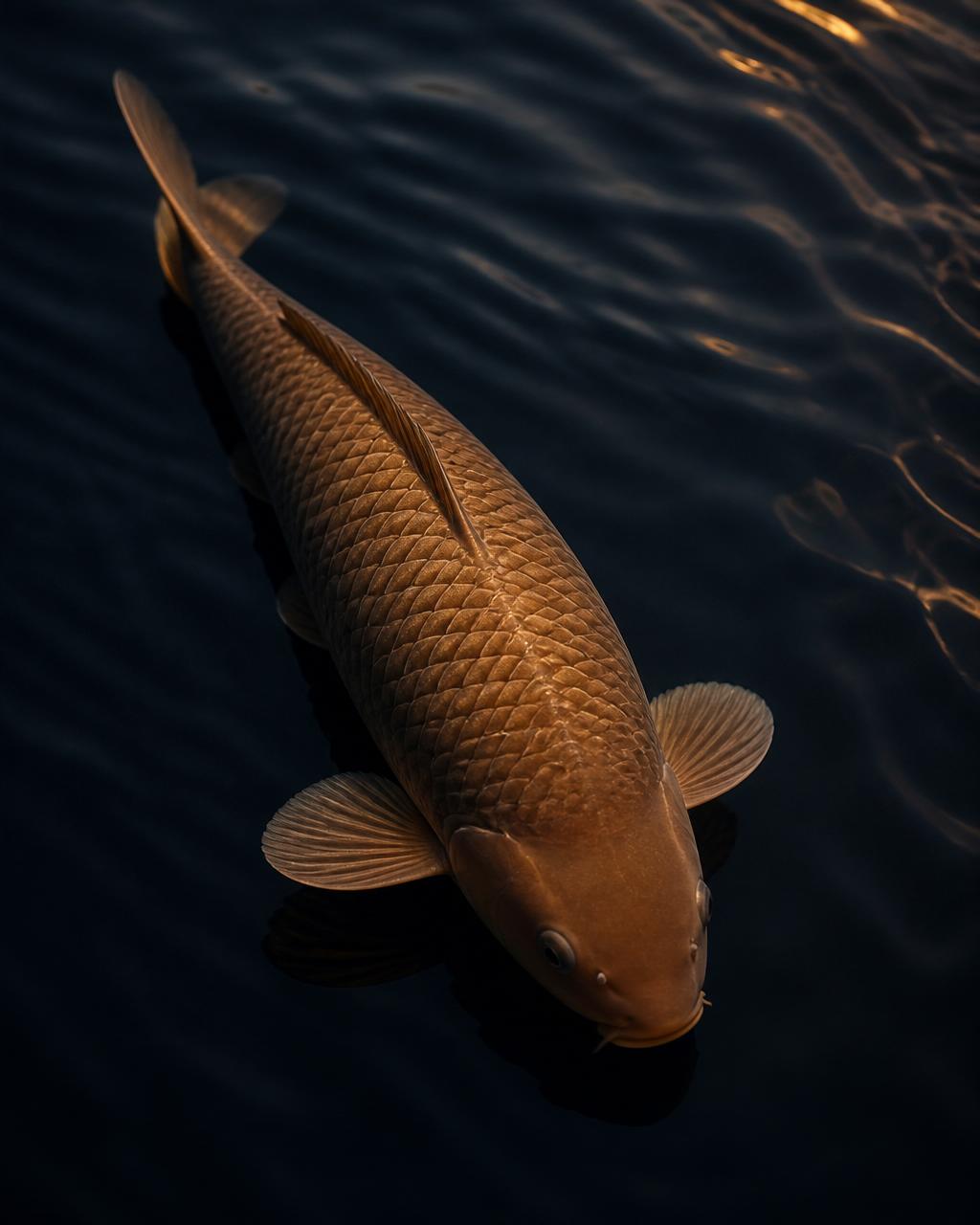
Chagoi (solid tea-brown), Karashigoi (mustard-yellow), and Ochiba Shigure (grey-and-yellow 'autumn leaves on water') are the friendliest varieties for beginners — extremely tame, fast-growing, and always the first koi to eat from your hand.
Tancho koi carry a single perfect red circle on an otherwise unmarked white head. Tancho Kohaku, Tancho Sanke, and Tancho Showa each have their own show class in Japan.
Kirin (Kikokuryu) is a modern doitsu variety with a metallic black-and-white marbled pattern that shifts with water temperature. Striking, unusual, and increasingly collected.
Budo Goromo overlays a deep purple net pattern over Kohaku hi, producing a 'grape cluster' look. A great Budo is one of the most photographable koi in a mixed pond.
How to pick the right variety for your pond
For a first Japanese koi: Kohaku, Sanke, or Chagoi. Kohaku and Sanke train your eye; Chagoi is bulletproof and tames the whole pond.
For a mixed collection: pair one or two Gosanke with a metallic (Ogon, Kujaku) and a friendly variety (Chagoi, Ochiba) so the pond reads well at every angle.
For collectors and show hobbyists: Gosanke from named Niigata breeders (Sakai, Dainichi, Marudo, Momotaro) with documented year class and bloodline.
Frequently asked questions
- How many varieties of koi fish are there?
- The Japanese koi appreciation society (ZNA) recognises more than 100 named varieties, but 16 make up the vast majority of the modern hobby: Kohaku, Sanke, Showa, Shiro Utsuri, Hi Utsuri, Ki Utsuri, Shiro Bekko, Asagi, Shusui, Goshiki, Kujaku, Yamabuki Ogon, Tancho, Chagoi, Karashigoi, Ochiba Shigure, Budo Goromo, and Kikokuryu (Kirin).
- What are the three main varieties of koi called?
- The three foundational varieties — Kohaku, Taisho Sanke, and Showa Sanshoku — are collectively called the Gosanke. They are the varieties Japanese judges have refined for over a century and the basis for most competitive koi shows.
- Which koi variety is best for beginners?
- Chagoi is the friendliest and most forgiving variety — tame, fast-growing, and famously easy to hand-feed. If pattern matters more to you than temperament, a pond-quality Kohaku or Sanke is the classic first Japanese koi.
- Which koi variety is the most expensive?
- Show-grade Kohaku from top Niigata breeders consistently set the record prices. The single most valuable koi ever sold — 'S Legend', a jumbo Kohaku from Sakai Fish Farm — went for around 203 million yen (roughly CA$2.4 million) in 2018.