Why Are My Koi Not Eating: 5 Common Reasons
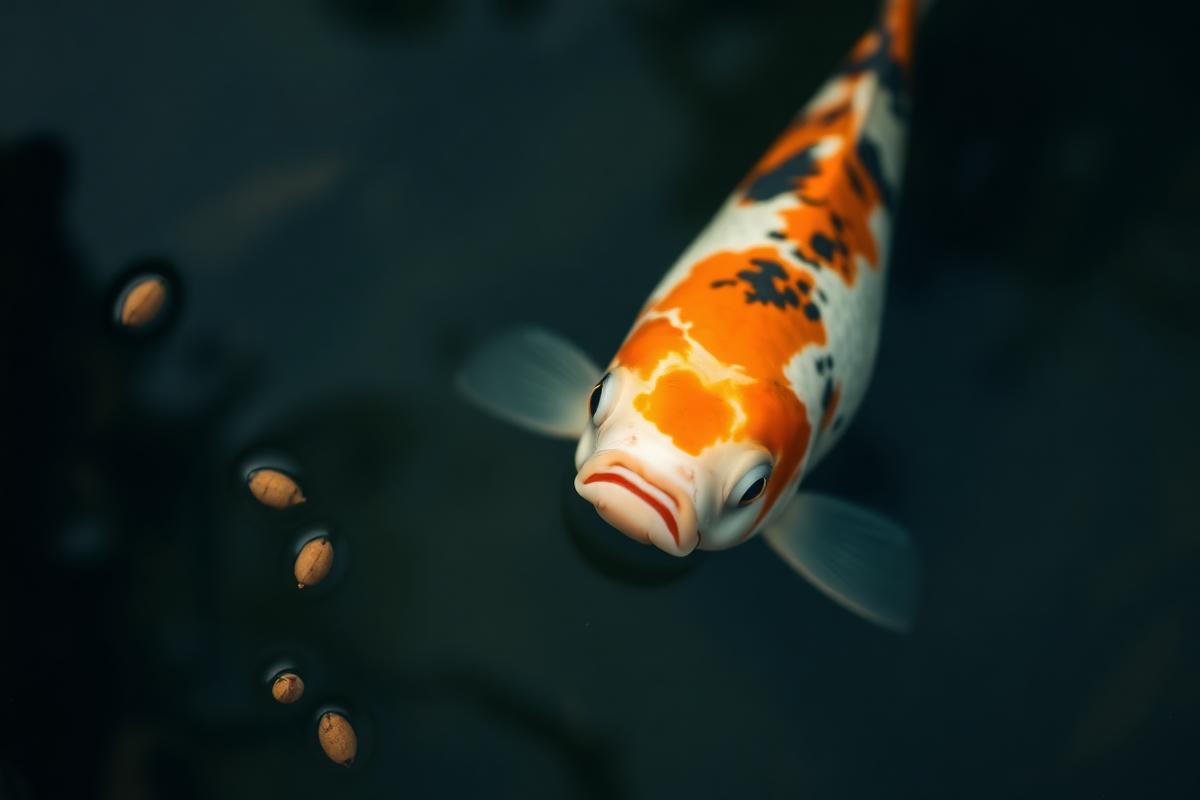
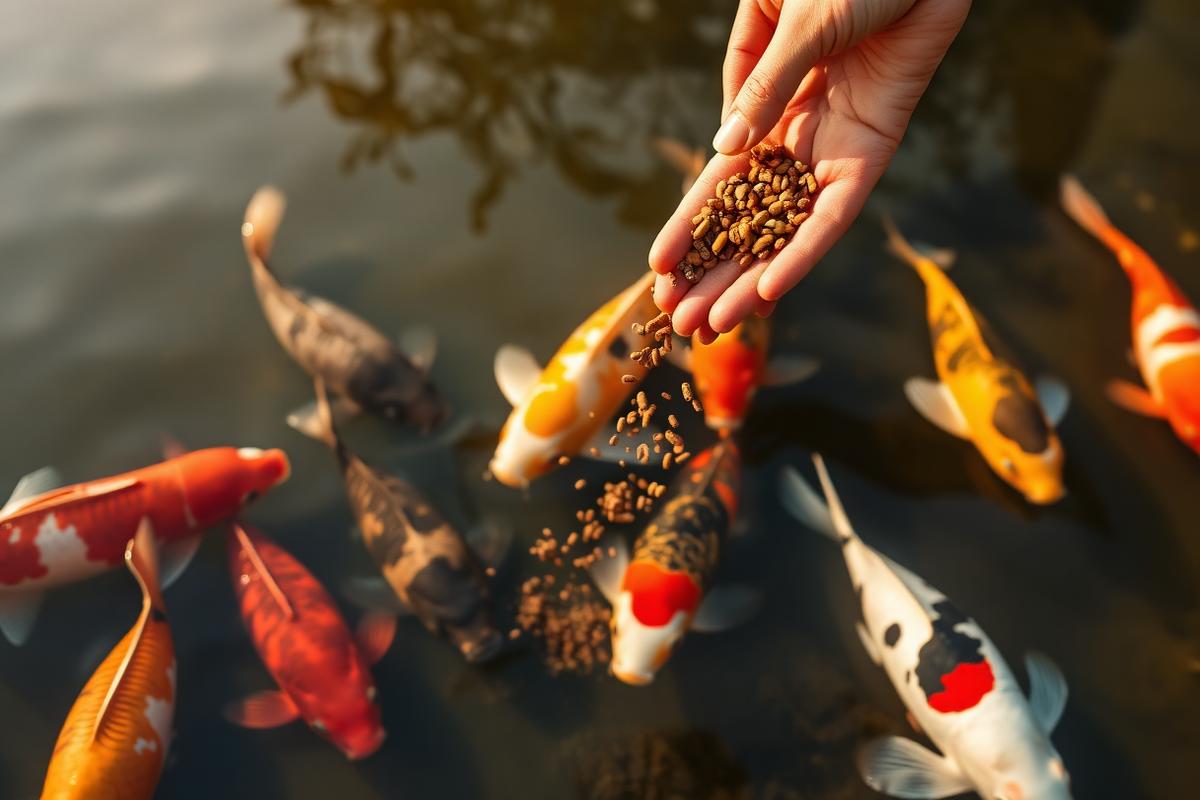
Why are my koi not eating? Koi are creatures of habit, so when they suddenly stop eating it's almost never random — the pond is telling you something. Here are the five most common reasons we see at Maple Crown Koi, and what to do about each.
1. Water temperature. Koi are cold-blooded. As water dips below 15°C their metabolism slows, and under 10°C they stop eating altogether. This is normal in spring and fall — switch to a wheat-germ based food and feed less, not more.
2. Low dissolved oxygen. Warm summer water holds less oxygen, and a struggling koi will not waste energy chasing pellets. Add an air pump or a small waterfall and watch appetite return within a day or two.
3. Water quality. Even a small ammonia or nitrite spike will shut down feeding. Test first, then do a 20–30% water change. Don't keep feeding hoping things improve — you'll only make the spike worse.
4. Stress from a new arrival or disturbance. Recently moved koi, a new pond mate, or even a heron flyover can pause feeding for a few days. Keep the routine calm and consistent.
5. Stale food. Koi pellets oxidize fast. If your bag has been open more than 2–3 months, oils go rancid and koi will turn their nose up. Buy smaller bags more often.
If feeding is off for more than a few days and water and temperature both check out, message us at Maple Crown Koi — we're happy to help diagnose remotely before it becomes a vet call.